Nootropic mushrooms in France: what's sold and how to choose
Published · Updated · 2 min read
In this article
What are “nootropic mushrooms”?
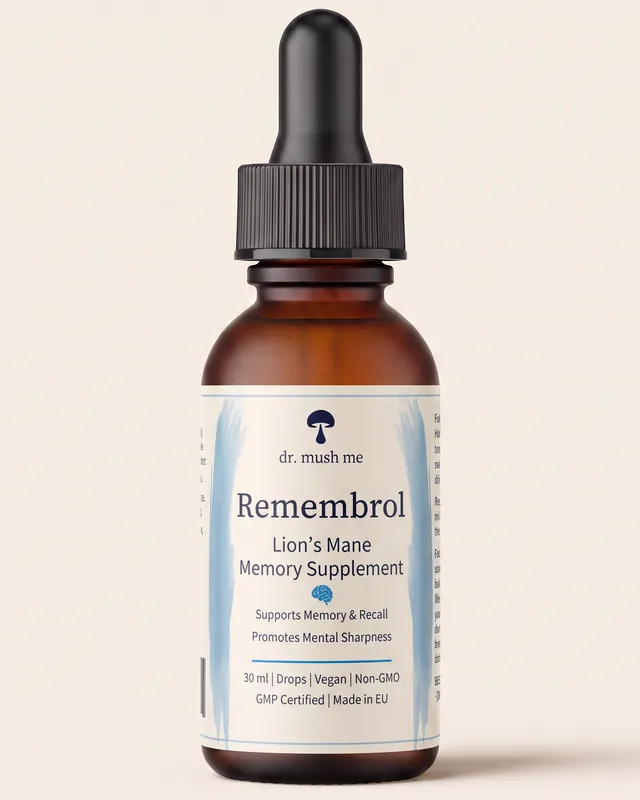
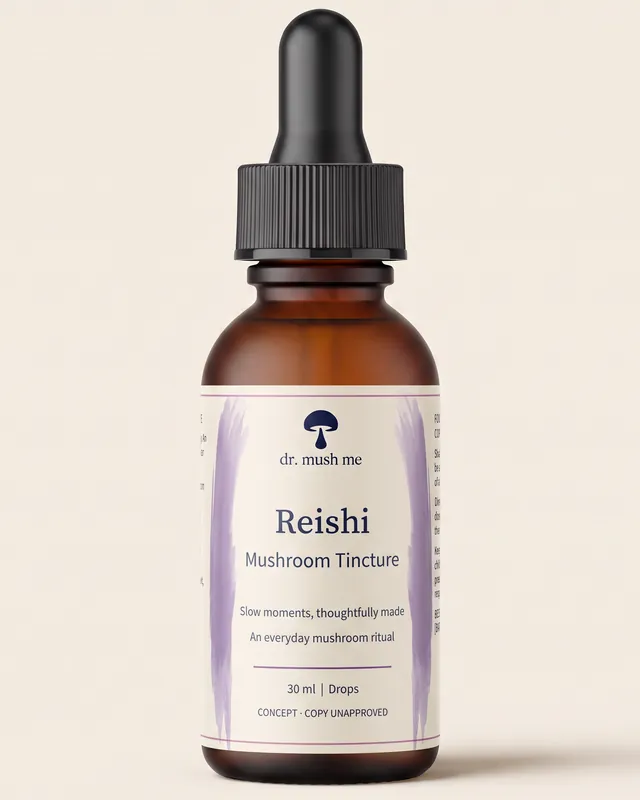
“Nootropic” is a word coined in 1972 by the Romanian chemist Corneliu Giurgea. Today it’s used loosely for supplements people take for focus and memory. “Nootropic mushrooms” usually means Lion’s Mane, plus the other functional mushrooms sold alongside it: Reishi, Chaga, Cordyceps and sometimes Turkey Tail, Maitake and Shiitake. In France they’re sold as food supplements, not medicines.
Mushrooms you'll find in France
| Mushroom | Latin name | Usually sold as |
|---|---|---|
| Lion’s Mane | Hericium erinaceus | capsules, powder, drops |
| Reishi | Ganoderma lucidum | capsules, drops, dried slices for tea |
| Chaga | Inonotus obliquus | chunks for tea, powder, drops |
| Cordyceps | Cordyceps sinensis or militaris | capsules, powder, drops |
| Shiitake and Maitake | Lentinula edodes, Grifola frondosa | fresh and dried as food; also capsules |
Are mushroom supplements legal in France?
Yes. Like Ireland, France follows the EU rules for food supplements. Two things follow from that:
- No health claims. No health claim for a mushroom has been authorised in the EU, so a compliant label won’t promise that it improves memory, focus or immunity.
- Some forms need approval. Foods without a history of use in the EU before 1997 need “novel food” approval. That’s why the same mushroom can be allowed in one form and not another, and why some products sold online don’t belong in EU shops.
In France, the food safety agency ANSES runs a scheme where doctors and pharmacists report side effects from food supplements, called nutrivigilance.
Where to buy mushroom supplements in France
- Health food and organic shops (magasins bio, such as Biocoop and La Vie Claire).
- Pharmacies: some stock mushroom supplements, usually in capsules.
- Online: the widest choice, and the most variable quality.
How to choose a good one
- Which part of the mushroom? Fruiting body (the mushroom itself) or mycelium (the root-like threads, often grown on grain). The label should say.
- How much per daily dose? Not just a big number for the whole pack.
- Powder or extract? And if it’s an extract, made with water, alcohol or both.
- A lab report you can read, for heavy metals and microbes at least.
- No health promises. A label that promises results isn’t following EU rules, which tells you something about the seller.
How much do people take?
Follow the label: powder, capsules and drops are very different amounts. For Lion’s Mane, see our Lion’s Mane dosage guide; for Reishi, our Reishi dosage guide.
Questions people ask
What is Lion's Mane called in French?
Usually Hydne hérisson, and often just “Lion’s Mane” on supplement labels.
Can I bring mushroom supplements from Ireland to France?
Yes, for personal use, within the EU.
Are mushroom supplements safe?
For most adults, at the amount on the label. Not for children or during pregnancy or breastfeeding, and if you take any medicine, ask a pharmacist first.
This article is general information, not medical advice. If you take any medication, talk to your GP or pharmacist before taking any supplement.
This article is general information, not medical advice. If you have a health condition or take medication, talk to your GP or pharmacist first. Food supplements should not be used as a substitute for a varied, balanced diet and a healthy lifestyle. Do not exceed the recommended daily dose. Not suitable for children, or during pregnancy or breastfeeding. Keep out of reach of children.